
Cooking Up Collaboration: How Culinary Team Building Reflects Economic Strategy and Political Leadership
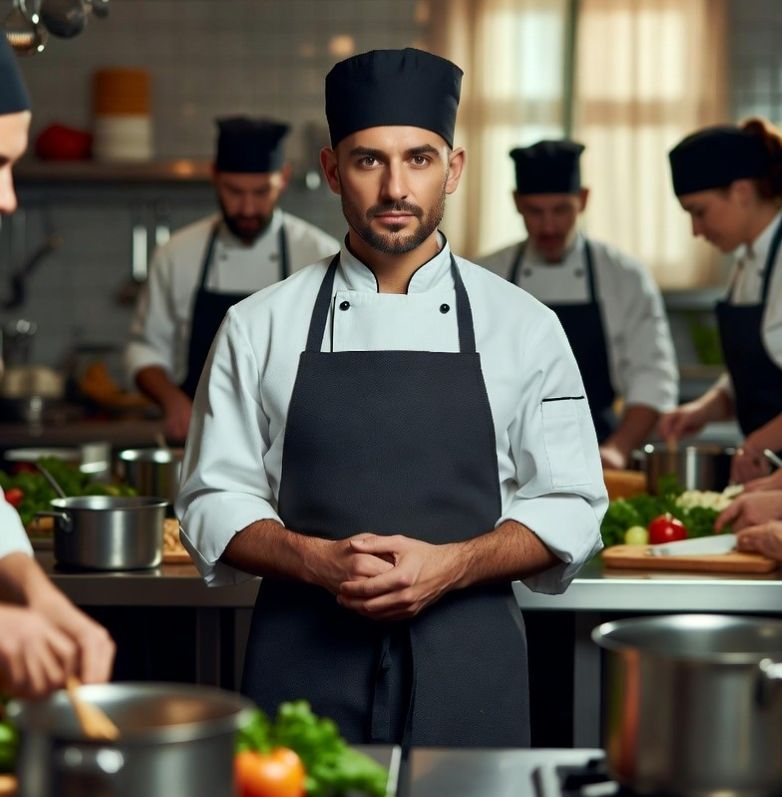
Strong economies are built on coordination, smart resource use, and clear leadership. The same forces shape what happens inside a kitchen during a high-pressure cooking challenge. A team gathered around a stove, racing against the clock, mirrors the dynamics of a cabinet meeting or a corporate boardroom more closely than most people expect.
Team building in cooking (team building cocina) has become a popular corporate activity, inspired by competitive shows such as MasterChef. Yet beyond the aprons and plated dishes lies a practical lesson in strategy. Participants are divided into groups, assigned roles, and given limited ingredients. They must create a finished product within a strict deadline. That structure reflects how economic systems and political institutions operate every day.
The Kitchen as an Economic Model
Every economy revolves around finite resources. Ingredients in a cooking challenge serve as a clear metaphor for capital, labor, and raw materials. Teams receive a set budget or basket of items. They cannot exceed those limits. Choices must be deliberate. Do they invest in an ambitious dish that requires complex preparation, or do they focus on reliability and speed? Understanding the broader reasons why economic growth is essential for a nation highlights why these resource decisions matter beyond the kitchen, from employment and productivity to overall prosperity and societal well-being.
Economists such as Adam Smith emphasized division of labor as a driver of productivity. The same principle unfolds naturally during culinary exercises. One team member chops vegetables, another seasons the sauce, and another manages plating. When tasks are clearly assigned, output improves. When roles overlap or remain unclear, confusion slows the process.
Time functions as labor efficiency. A team that mismanages preparation minutes may produce an undercooked dish. In economic terms, this resembles wasted labor hours or inefficient production cycles. Communication breakdowns result in spoiled ingredients. On a national scale, poor coordination can mean budget deficits or stalled growth.
Corporate leaders often use cooking challenges to demonstrate how planning affects performance. A thoughtful menu plan resembles a sound business strategy. It aligns available resources with realistic goals. The final plate, judged on taste and presentation, becomes a visible measure of productivity.
Leadership and Governance at the Stove
Political leadership depends on structure and accountability. A kitchen team faces similar demands. Someone must step forward to coordinate timing and resolve disputes. Without direction, even skilled participants can pull in different directions.
Consider how parliamentary systems rely on negotiation and compromise. During a cooking challenge, disagreements may arise over flavor profiles or plating style. Quick dialogue and mutual respect keep the team moving. The leader who listens and adapts often achieves stronger results than one who dominates every decision.
This leadership laboratory reveals key governance lessons. Clear delegation builds trust. Transparent communication reduces conflict. Shared responsibility ensures that success or failure belongs to the whole group. Modern political systems increasingly value inclusive leadership because it promotes stability. The same holds true in the kitchen.
Collaboration Under Pressure
High-stakes environments test resilience. Cooking competitions compress decision-making into a short window. The ticking clock simulates market volatility or policy deadlines. Teams must adjust quickly when a sauce splits or a protein overcooks.
Businesses operate in similar conditions. Supply chains shift. Consumer demand changes. Political leaders respond to crises, from financial downturns to public health emergencies. Practicing collaboration in a controlled culinary setting builds confidence. Participants learn to stay calm, reassess priorities, and act decisively.
That is why many organizations invest in culinary workshops as more than entertainment. They create a safe space where mistakes become learning opportunities. Professionals sharpen skills that apply directly to boardrooms and strategy sessions.
Public Policy on the Plate
Food connects deeply with economic and political policy. Ingredient sourcing can highlight supply chains and trade relationships. Choosing local produce reflects discussions about sustainability and economic resilience. Global menus spark conversations about cultural exchange and interdependence.
Food sustainability remains a central issue in policy debates worldwide. The United Nations regularly addresses food security as part of its development goals. When teams work with seasonal or locally sourced items, they experience firsthand the constraints and advantages of regional supply networks.
This awareness transforms a simple activity into a broader lesson. Participants see how resource scarcity influences decisions. They recognize how global events can disrupt availability. Through practice, they gain a clearer understanding of economic vulnerability and adaptability.
Strategic Assets for Uncertain Times
Economic uncertainty and political polarization challenge organizations across sectors. Adaptability and trust have become strategic assets. Structured culinary exercises cultivate both. They demand quick thinking while encouraging cooperation.
Team building in cooking offers a practical way to strengthen communication and shared accountability. Employees leave with sharper problem-solving skills and a deeper appreciation for coordination. These qualities support stronger governance within companies and, by extension, within larger economic systems.
Cooking challenges may seem lighthearted, yet their lessons run deep. Resource management, leadership, negotiation, and resilience all surface around the cutting board. When professionals collaborate to transform raw ingredients into a finished dish, they rehearse the same principles that guide economic reform and political leadership. Team building in cooking ultimately shows that whether shaping public policy or plating a meal, collective effort remains the recipe for lasting success.